Wednesday, August 10, 2016

Protecting & Preserving Our Friends the Albatross

As you’re no doubt aware if you follow us on social media, our family farm on Kauai is host to a growing albatross colony. Each year, these birds return to our land for the mating season. They’re a very special part of the culture on the farm, reminding us of the importance of family and bringing us lots of joy!
Unfortunately, albatross are birds at risk of extinction, especially if their habitat continues to be destroyed by global climate change! Laysan albatross, the specific species that nests on our farm, have recovered in recent years, changing their endangered status from “vulnerable” to “near-threatened.”
This is extremely encouraging, but there’s a long way to go before these and other albatross species are truly “safe.” Preserving nature’s diversity is a major part of sustainability, and is extremely important to our family so we wanted to give you a little more information about these rare birds.

Risks to the Albatross

Albatross were once hunted for feathers, with the result that many hundreds of thousands were killed in the early 1900s. Today, these albatross are protected on the Northwestern Hawaiian Islands. But they aren’t out of danger yet.
Albatross are seabirds, which means anything that impacts the ocean impacts them, too. That includes changing temperatures, fish populations, pollution, and fishing techniques used by humans.
In particular, longline fishing and the ingestion of floating plastics kill many birds. Albatross hunt by floating on the top of the water and diving down to grab fish and squid. It’s very easy for them to grab something dangerous by mistake. Parents may even bring home trash to their chicks, mistaking it for food. This has devastating consequences for the health of the chick.
On Midway Atoll in the Pacific, thousands of albatross chicks die each year due to poisoning from plastics, lead, and other human waste.

Learn about the Albatross on Our Family Farm in the original article!

What We Can Learn About Sustainability

We’ve had our lives dramatically enriched by the presence of the albatross on our farm, and doing all we can to raise awareness about them and protect their habitat has been extremely rewarding for us. Watching the colony grow each year has become so special to us.
Even if you don’t have an amazing species like the Laysan albatross living on your land, you’re surrounded by endangered species that need your help. In particular, think about your local pollinators. Honeybee populations are in bad shape these days, and they can be helped out a lot just by suburban gardeners planting more flowers and plants they like.
Anytime you take action to preserve habitat, whether by building it, protecting it, or voting to protect it, you’re doing your part to help this planet’s endangered species.
How do you protect nature’s diversity in your life? Let us know in the comments!

Monday, August 1, 2016

Try This Mouth-Watering Noni Colada Green Smoothie

Just in time for summer, here’s a smoothie that will instantly make you feel like you’re here in Hawaii with us! You’ll love the fresh, bright taste, the added veggies will ensure the smoothie satisfies, and the Noni Fruit Leather acts as a powerful preventative and restorative on all your body’s systems.

Wait, What’s Noni?

Noni is a south seas fruit that might not look familiar to you. You’ll never find the fresh fruit in your grocery store because it has absolutely no shelf life, starting to ferment within 6 to 8 hours after ripening.
This is a shame, because noni is one of nature’s most powerful foods for healing! It’s been used for thousands of years to help address and prevent countless ailments, from inflammation to diabetes to arthritis. Originally used by ancient Polynesians as a raw food with 165+ beneficial compounds in the pulp of the fruit which are now being studied by modern science, trying to unlock what exactly makes noni such a potent a healer.
We know for sure that raw non-fermented noni pulp has more antioxidants than even the most potent berry or pomegranate — learn more — and a compound called scopoletin, which kills pain, enhances mood, and more. You can learn more about scopoletin and the other beneficial compounds in noni fruitclick here.
In general, by combatting inflammation and free radicals in the body, noni helps fight against the family of diseases known as the “Western diseases.” Learn more by clicking here.

So Where Can I Get Noni?

If you don’t live somewhere you can forage for noni fruit, you’ll have to buy a processed noni product. But not all of these are created equal! Most noni products come in the form of either a juice or a dehydrated powder. Through fermentation and pasteurization, both of these methods destroy the vast majority of the beneficial compounds in the raw pulp of the fruit.
You’re looking for raw noni products, like Noni Fruit Leather from Hawaiian Organic Noni. By never raising the temperature of our dehydrators above 115 degrees, we preserve all the enzymes, antioxidants, and other beneficial compounds in the fruit. Learn more about why it’s so important to have raw noni by clicking here.

Noni Colada Green Smoothie

This recipe is a nutritious, delicious way to get your daily dose of noni. It’s especially great for those who haven’t adjusted to the flavor of noni yet. If you’re having trouble acquiring the taste, click here for some tips! One tip is to blend into a smoothie, which is exactly what we’re doing here!
Scale this smoothie recipe up or down to find what works for you

For the recipe check out the original blog on our website!


What are your favorite recipes using Noni Fruit Leather? Let us know!

Friday, July 29, 2016

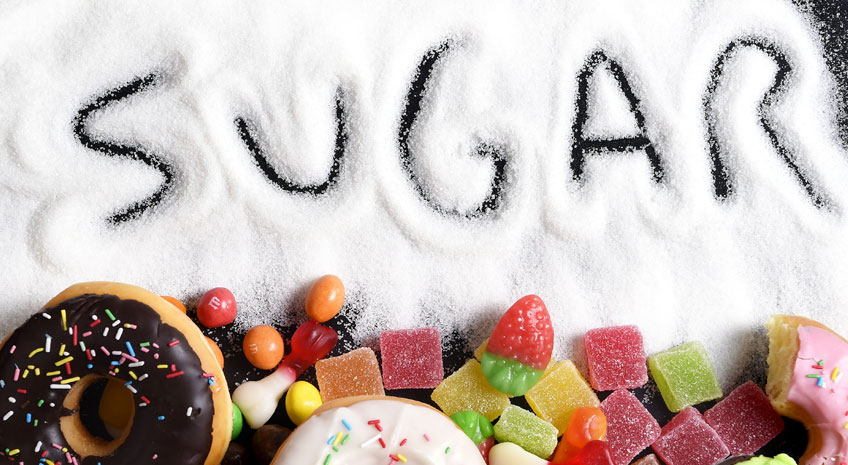
Simple Tips to Beat Your Sugar Addiction

Make no mistake, sugar is a legitimate addiction. Our bodies build tolerance to it over time, requiring more and more of that sweet taste to satisfy. We have sophisticated systems in place to make us crave sugar, and it’s ubiquity in processed foods make it difficult to avoid.
You’re probably ingesting way more sugar than you realize, hidden away in the processed “shortcut” foods you use to cook (tomato sauce, broth, sauces), in your quick snacks between meals, and in your beverages. Even if you aren’t exhibiting diabetic symptoms, you could be slowly building up resistance to insulin and paving the way for diabetes.
Sugar is a tough habit to beat, but the damage it inflicts on the body is highly reversible! If you’re taking steps to cut down or eliminate your consumption of added sugars, these tips will help ensure your success!

Sleep: Calorie-Free Energy

One of the most effective ways to reduce your dependence on sugar is to give yourself a little more energy to work with each day by sleeping a little longer or a little better. As you cut out sugar, you’ll likely find this is a positive feedback loop, where the less sugar you eat, the better you sleep and the less sugar you feel you need!

Learn Sugar’s Aliases

Trying to eat processed foods without also eating sugar is really tough. This is partially because of all the other names sugar goes by on food labels, including: high fructose corn syrup, corn syrup, sugar, cane sugar, dextrose, maltose, sucrose, and many, many others. Even “natural” sugar sources like concentrated fruit juice, maple syrup, coconut sugars, and honey need to be limited.

Walk It Off

Often sugar cravings are caused by stress and boredom more than hunger. You can often head these cravings off by channeling that energy somewhere else — like a walk! Plus walking helps undo some of the past damage of sugar on your system. If you’re genuinely hungry, grab a handful of berries and some almonds and get outside anyway.

Don’t Replace with Artificial

Outdated wisdom held that it was safe to replace sugar with artificial sweeteners, but there’s more and more evidence coming in showing this is counterproductive and extremely dangerous. Not only are artificial sweeteners linked to countless health problems, but they also trick your body into thinking they’re getting sugar without actually delivering. That’s a recipe for more cravings.

Discover how to Find a New Source of Quick Energy on the original blog!

How have you reduced your sugar cravings? Share your insight in the comments!

Simple Tips to Beat Your Sugar Addiction

Make no mistake, sugar is a legitimate addiction. Our bodies build tolerance to it over time, requiring more and more of that sweet taste to satisfy. We have sophisticated systems in place to make us crave sugar, and it’s ubiquity in processed foods make it difficult to avoid.
You’re probably ingesting way more sugar than you realize, hidden away in the processed “shortcut” foods you use to cook (tomato sauce, broth, sauces), in your quick snacks between meals, and in your beverages. Even if you aren’t exhibiting diabetic symptoms, you could be slowly building up resistance to insulin and paving the way for diabetes.
Sugar is a tough habit to beat, but the damage it inflicts on the body is highly reversible! If you’re taking steps to cut down or eliminate your consumption of added sugars, these tips will help ensure your success!

Sleep: Calorie-Free Energy

One of the most effective ways to reduce your dependence on sugar is to give yourself a little more energy to work with each day by sleeping a little longer or a little better. As you cut out sugar, you’ll likely find this is a positive feedback loop, where the less sugar you eat, the better you sleep and the less sugar you feel you need!

Learn Sugar’s Aliases

Trying to eat processed foods without also eating sugar is really tough. This is partially because of all the other names sugar goes by on food labels, including: high fructose corn syrup, corn syrup, sugar, cane sugar, dextrose, maltose, sucrose, and many, many others. Even “natural” sugar sources like concentrated fruit juice, maple syrup, coconut sugars, and honey need to be limited.

Walk It Off

Often sugar cravings are caused by stress and boredom more than hunger. You can often head these cravings off by channeling that energy somewhere else — like a walk! Plus walking helps undo some of the past damage of sugar on your system. If you’re genuinely hungry, grab a handful of berries and some almonds and get outside anyway.

Don’t Replace with Artificial

Outdated wisdom held that it was safe to replace sugar with artificial sweeteners, but there’s more and more evidence coming in showing this is counterproductive and extremely dangerous. Not only are artificial sweeteners linked to countless health problems, but they also trick your body into thinking they’re getting sugar without actually delivering. That’s a recipe for more cravings.

Discover how to Find a New Source of Quick Energy on the original blog!

How have you reduced your sugar cravings? Share your insight in the comments!

Tuesday, July 26, 2016

The Problem with Drinking your Noni

Imagine walking along the beach in Hawaii one thousand years ago, bare feet in the sand, waves crashing by your side, sun on your back. Sounds nice, right? Now imagine finding a noni fruit, perfectly ripe and ready to eat. For thousands of years, native Polynesians and Hawaiians have praised the noni fruit for its wonderful healing properties. Did they juice this fruit thousands of years ago? Of course not!  According to Captain Cook’s log when he first found Polynesia in the 1700’s , he wrote “They were eating the fruit”. Notice Captain Cook did not write they were drinking the juice. And raw food noni is still the best way to get all the positive benefits. But once noni fruit is picked, it begins to ripen and ferment quite quickly, noni fruit is very difficult to preserve. One solution to this is juicing, but is it the best solution?
Some think so. Noni juice is used across the globe by thousands of people, dozens of different kinds sold by dozens of companies. But it isn’t what it’s made out to be. Why?

What You’re Missing with Noni Juice

The power of noni is in the pulp, and juicing noni takes that away. The juicing and fermentation process destroys key nutrients and enzymes. The noni juices are fermented, pasteurized and must be refrigerated. On top of that, it isn’t even pure noni! In many parts of the world, Noni is called cheesy fruit since the raw, non-fermented pulp tastes like blue cheese. But if noni is allowed to ferment, it smells and taste like a rotten blue cheese ,which doesn’t taste all that great. That is why most noni juices have added other fruit juices to make it more palatable, but diluted. In fact, fermentation destroys all digestive enzymes and about fifty percent of the beneficial compounds found in the raw noni pulp.
And what about pasteurization? Noni juice is most often pasteurized to make it safe to drink. Which means it’s exposed to very intense heat that kills off any harmful bacteria. But pasteurization takes away more than just the bacteria. It destroys all digestive enzymes and antioxidants, along with numerous other beneficial compounds found in raw noni.
So what does all this mean for you? It means you aren’t getting the maximum benefits of noni. It means you are being deprived of the true healing power of noni. It means it might be time to try an alternative.

What’s the Alternative? Learn on the original blog!

Thursday, July 21, 2016

Why It’s So Crucial to Know Your Farmers

These days, when “sustainability” is mainstream and everyone is throwing around phrases like “natural,” “organic,” and “responsibly grown,” it’s hard to navigate the tangle of words, rhetoric, and jargon to get at the truth of what’s best for our planet.
One of those little sound bites you’ve likely heard if you try to eat responsibly is, “Know your farmer.”
But do you understand why this is so important? Earth Day was last month and really should be talked about and practiced every day, so here at Hawaiian Organic Noni, we’re unpacking some of our company’s sustainability ethic, as well as explaining a few of the organic practices we use every day on the farm to do our part.
Today, let’s dive into that issue of knowing your farmers!

Food: The Faceless Commodity

Knowing your farmer is far from the norm in today’s industrial agricultural society. Most people buy food from supermarkets, which, despite the often colorful marketing language on food packaging, comprise an institution designed to turn food into a transactional commodity rather than a social, cultural experience.
But this trend starts way before the food reaches the supermarket. Since World War II, giant companies have been swallowing up America’s small and midsized farms in favor of enormous monocultures of corn and soybeans. These commodity products come to us in the form of processed foods, further removing us from the actual fields where farming is done.
The amount of time people spend engaged with shopping for and preparing their food is decreasing while the number of calories we eat steadily increases. We don’t think it’s a coincidence that there’s been a corresponding rise in heart disease, obesity, diabetes, and other “Western” diseases as a result.

Discover how you could be undernourished by not knowing your farmer in the original blog!

Farmers are Fun!

Finally, we want to get back to that idea of food as a cultural experience. That perspective is dying in this country as more of us buy food from self checkout, eat alone in our cars, and buy processed foods made by some of the biggest corporations in the world.
But farmers are pretty awesome people, with a lot to teach about food and nutrition! The best part is, most of us love to share what we know about nutrition, gardening, and sustainability with you. There’s no knowledge hoarding or industry secrets here. We believe transparency is the path back to food that is nutritious, sustainably-grown, and truly satisfying.
Get in touch with us! We love sending out our monthly newsletter to connect with you, and we post actively on social media.

Monday, July 18, 2016

Why Does Organic Matter to Hawaiian Organic Noni?

In honor of Mother Earth we’re focusing on sustainability, organic farming, and other ways we can help out our wonderful planet. We’ll be sharing how we do things on the farm, as well as tips to bring these techniques into your own home.
To us, sustainability means creating systems which ensure continued fertility, diversity, and vitality, benefiting humans, animals, plants, insects, fungi, and microbes for many years to come.
As we explore our sustainability ethic in the month to come, you can look forward to learning all about:
  • Vermicomposting (that’s composting with worms!)
  • Involving pollinators and other animals in agriculture
  • Importance of supporting family organic farms
  • The Laysan albatross sanctuary on our land
  • How sustainability and organic practices impact food quality and nutrition
But before we get started, we wanted to share with you just a few of the many reasons sustainability, and organic farming in particular, matter so much to us.

Small Scale Farming

The world is moving more and more toward industrial food systems, meaning fewer larger farms growing larger yields of fewer crops with more pesticides and more herbicides.
Most big farms only grow one or two crops, most often heavily subsidized corn and/or soybeans. The market is flooded with cheap corn and soybeans, and then it’s the market’s job to figure out a use for them.
Unfortunately, there are some very heavy hidden costs that go with industrial farming:
  • Edging out of small business farms and even medium-sized farms, putting farmers in debt
  • Dilution of “organic” standards, increased difficulty in regulation
  • Decreased diversity of plants, animals, and microbes
  • Increased agricultural runoff, potentially harmful to the environment
  • Increased consumption of processed foods, decreased nutrient intake
Later this month, we’ll discuss why it matters to the environment whether or not you know your farmer (even if you only know them online!)

Soil Fertility


Modern industrial agriculture places little emphasis on the long-term fertility of the soil, instead focusing on fertilizing intensively in the short term. Not only does this practice deplete the soil of nutrients over time, but it also causes runoff of toxic chemicals, decreased diversity, and the need to apply ever more fertilizers, herbicides, and insecticides to keep nature at bay.
We see it as our responsibility as farmers to return as many nutrients to the soil as we can in the form of mulch, compost, worm castings and compost teas. Not only does this improve the nutritional content of the food we grow, but it also ensures the long-term ability of this land to stay productive over the years.


What are some of your best practices with regards to sustainability and protecting planet Earth? Let us know in the comments!